Great Zimbabwe
About
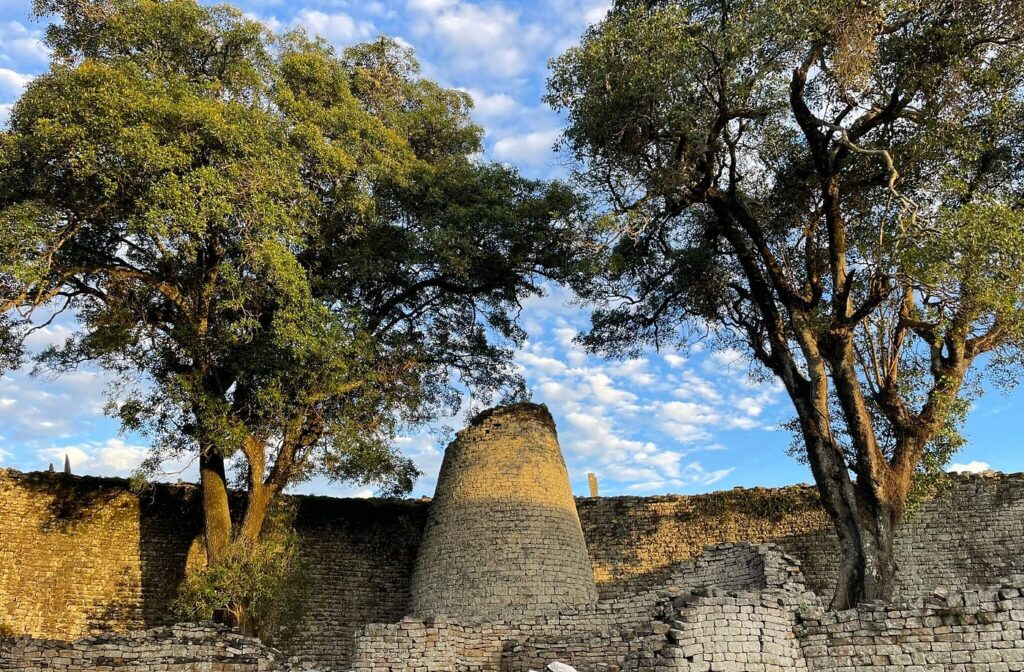
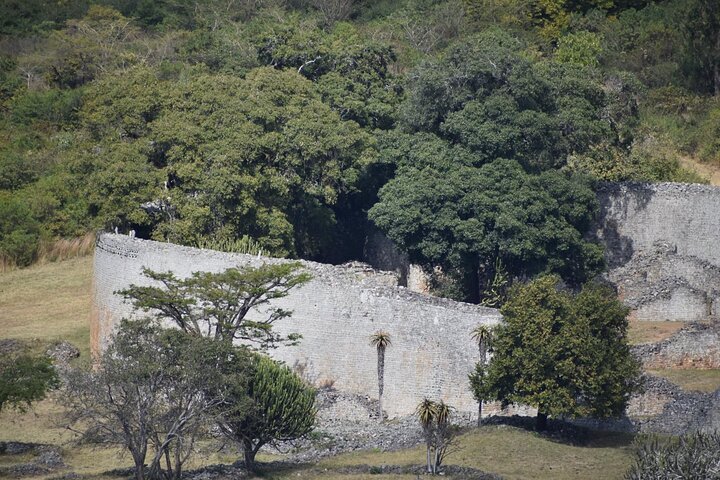
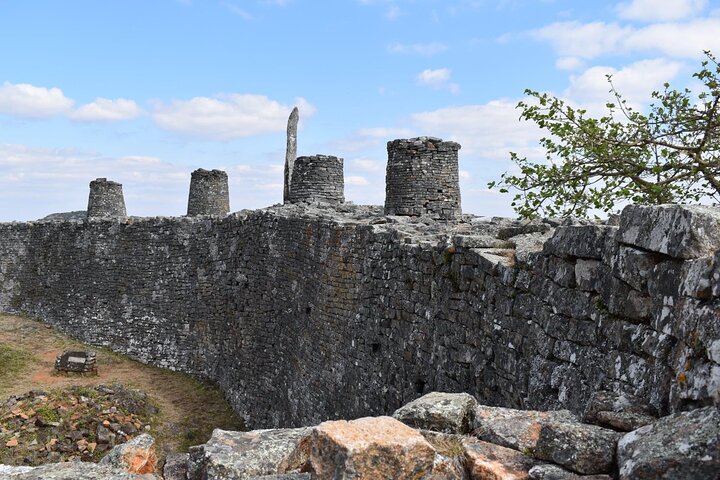
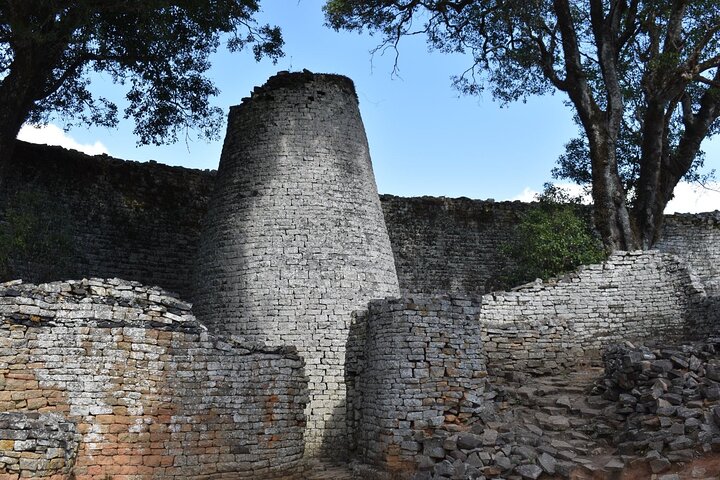
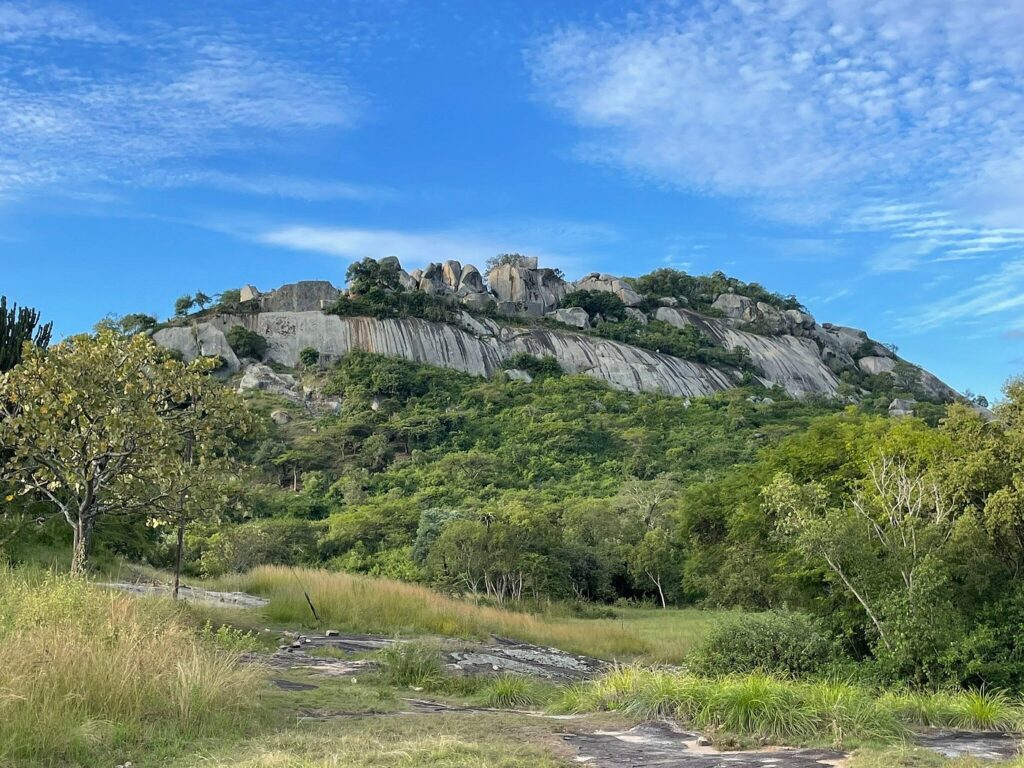
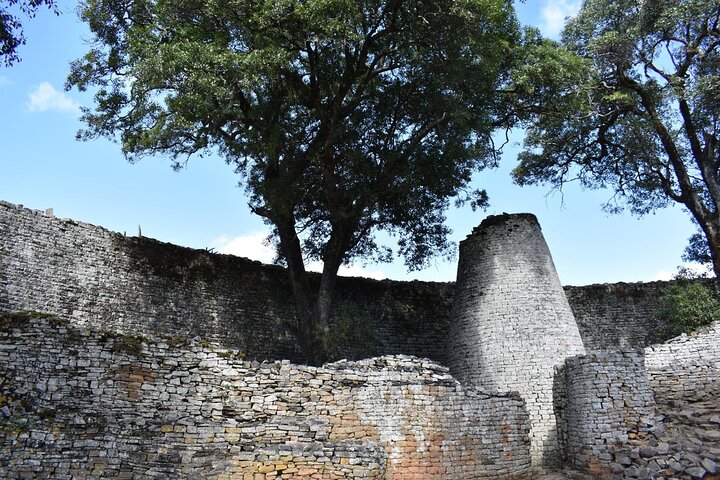
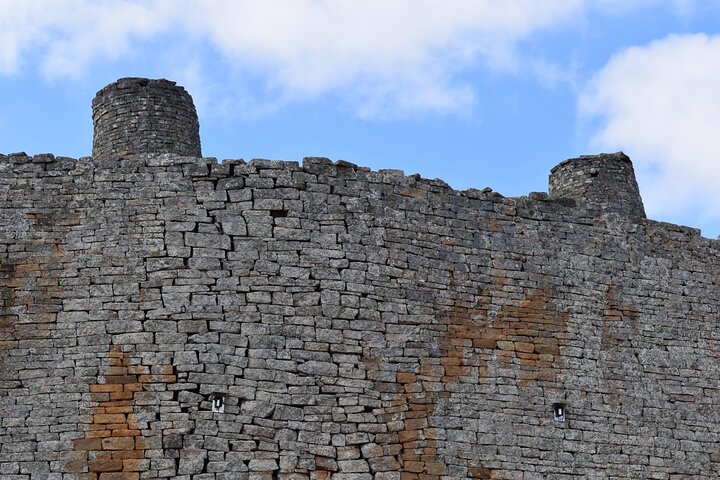
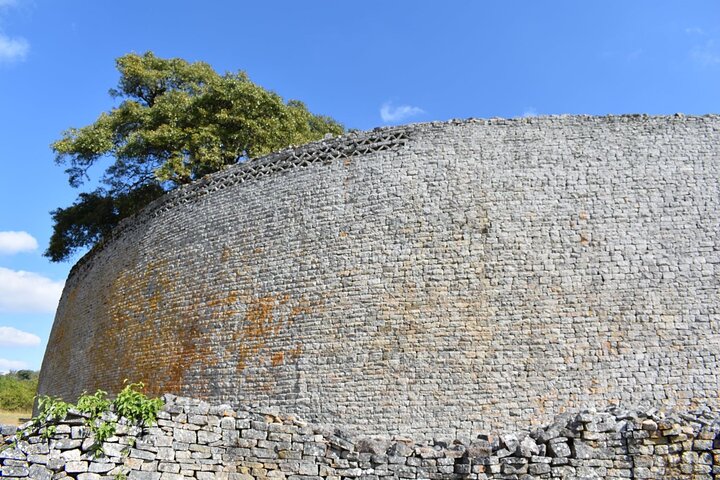
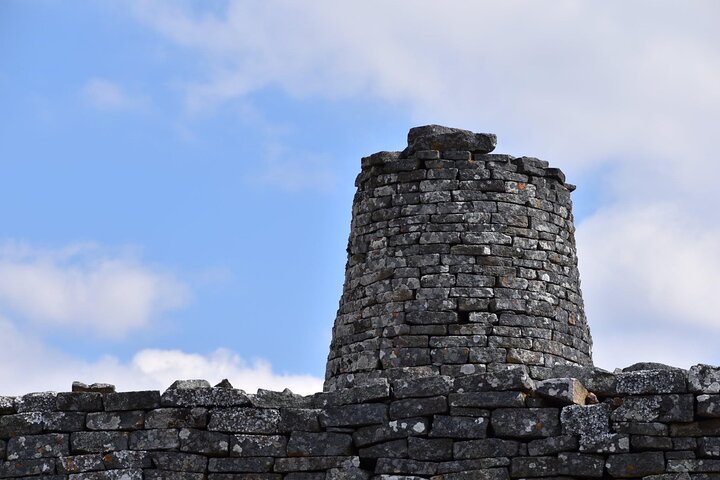
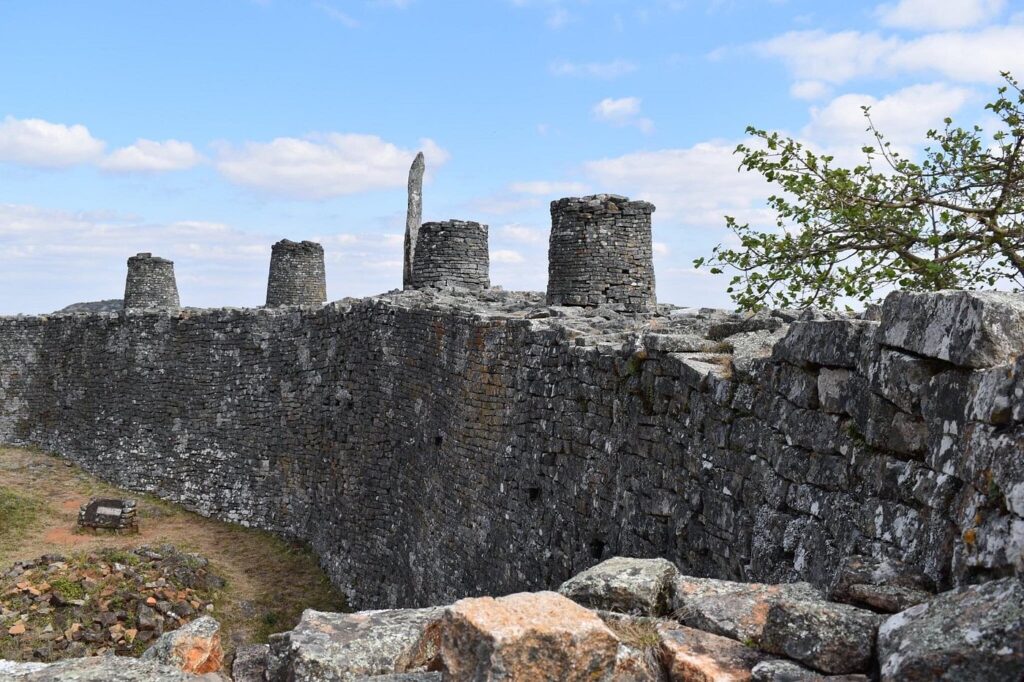
Great Zimbabwe is one of Africa's most iconic and mysterious archaeological sites, located near the town of Masvingo in southeastern Zimbabwe. Once the heart of a thriving kingdom between the 11th and 15th centuries, it served as a royal palace for the rulers of the Kingdom of Zimbabwe. The site is renowned for its awe-inspiring dry stone walls, intricate masonry, and its significance as the namesake of the modern nation of Zimbabwe. As a UNESCO World Heritage Site, Great Zimbabwe stands as a powerful testament to African ingenuity, civilization, and cultural heritage.
What to Expect
isitors can explore the three main areas of the ruins — the Hill Complex, the Great Enclosure, and the Valley Ruins. Each section offers a glimpse into the architectural brilliance and social organization of the ancient Shona people. Expect a rich blend of history, legends, and panoramic views from the Hill Complex. Guided tours provide insightful storytelling and historical context. There’s also a museum on-site housing artifacts excavated from the ruins, including pottery, tools, and trade goods from as far as China and Persia.
Accessibility
Great Zimbabwe is accessible by road and located approximately 30 km southeast of Masvingo town. The site is reachable via a well-maintained highway from Harare (about 4-5 hours’ drive). While some parts of the ruins, especially the Hill Complex, involve climbing steep and narrow stone pathways, the museum and lower enclosures are more accessible to all visitors. Comfortable walking shoes and sun protection are recommended.
Addittional Information
Opening Hours: 8:00 AM – 5:00 PM daily
Entrance Fees: Local and international rates apply; discounts available for students and children
Best Time to Visit: Dry season (May to October) for clearer weather and easier exploration
Facilities: On-site restrooms, picnic areas, a gift shop, and local guides available
Nearby Accommodation: Several lodges and guesthouses are located in Masvingo and near the monument
Cultural Tip: Respect the local customs — some areas are considered sacred and photography may be restricted
Type
-
Culture
-
Hidden Gems